
Scottsdale Traumatic Brain Injury Lawyer
Traumatic Brain Injury Lawyer Scottsdale, AZ
 A Scottsdale, AZ traumatic brain injury lawyer from Yearin Law Office knows that the brain is the epicenter of the body. It is the engine that keeps everything running as it should. If one part of this supercomputer is damaged, it can lead to life-long ramifications for your health.
A traumatic event can cause your brain to malfunction. If the incident that led to this damage is due to someone else’s negligence, you may be able to bring a lawsuit against the guilty party. In the meantime, you should understand how a brain injury may occur. Explore these three examples of events that may cause a brain injury. If you believe your injury or the injury of a loved one was caused because of someone else’s negligence, please contact our respected Scottsdale, Arizona traumatic brain injury lawyer now.
- Car Accident
Any car collision can cause the driver or passengers to be injured. The harsher the impact, the worse those injuries may be. A head injury can occur during the course of an accident in one of two ways. The obvious is by the skull hitting something inside the vehicle during impact. There is usually a physical sign of this injury in the form of bruising or lacerations. However, the head does not need to come into contact with something for the brain to be hurt. If the force of the impact is hard enough, it may cause the head to snap violently and the brain to move about in the skull. The result may be swelling and bleeding that could both result in severe short and long-term consequences.
- Work Accident
Some industries are more dangerous than others since the risks tend to be higher. Our Scottsdale traumatic brain injury lawyer knows that construction work is one example of a business that has an increased chance of injury, especially head trauma. Falling is the number one way construction workers get injured. Being struck in the head by falling objects or construction equipment, like a crane, can also lead to severe brain injury. Other industries are not immune to the risks of employee injury, so any on-the-job incident that lands an employee in the hospital may result in a brain injury.
- Slip and Fall
Incidents occurring on someone else’s property due to slick or uneven flooring may result in head trauma. If the fall is hard enough, the head may come down hard on the ground or any number of obstacles around the fall sight, such as tables, chairs, or railings. When the conditions that caused the fall should have been rectified by the owner of the property, the opportunity to receive treatment from a personal injury lawsuit exists.
Speak with a Traumatic Brain Injury Lawyer Scottsdale, AZ Residents Rely on!
Brain injuries can range from minor and temporary bruising to those resulting in coma or death. If you find that you have been involved in an accident resulting in head trauma, getting help from a traumatic brain injury lawyer Scottsdale, AZ offers from Yearin Law Office may provide you financial relief with your treatment.
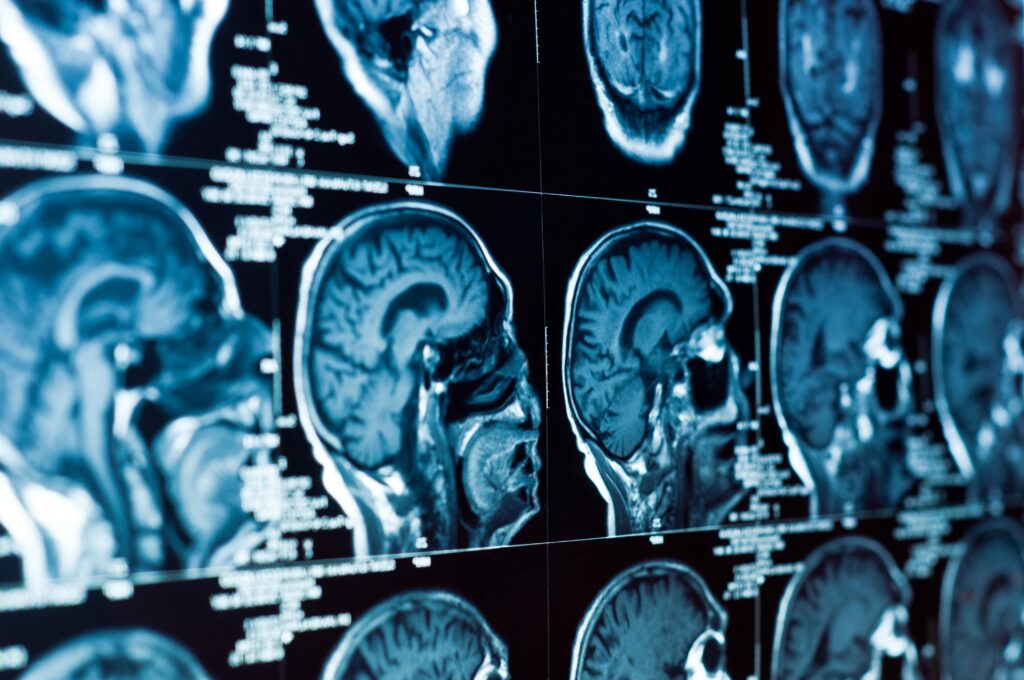
Legal Options For Victims Of Traumatic Brain Injury
Our Scottsdale AZ traumatic brain injury lawyer is committed to helping injury victims. We know how life-altering a brain injury can be, and we’re here to walk beside those who need support during recovery. Traumatic brain injuries (TBIs) can have a profound impact on a person’s ability to function, earn a living, and live independently. These injuries often result from accidents caused by someone else’s reckless or careless behavior—such as vehicle collisions, falls, or violent incidents. When this happens, it’s important to know that legal action may be available to help cover medical bills, lost wages, and other long-term damages.
How Liability Affects Recovery
When a brain injury results from another person or company’s actions, that party may be legally responsible for the harm. This means the injured person could file a personal injury claim to seek compensation. Depending on the situation, the liable party might include a distracted driver, a negligent property owner, a defective product manufacturer, or even a healthcare provider. According to our Scottsdale traumatic brain injury lawyer, identifying who is at fault is one of the most important steps in building a strong claim.
What Types Of Compensation Are Available
In cases involving TBIs, compensation can go far beyond just the immediate medical costs. Long-term care, therapy, assistive technology, and modifications to living spaces may all be needed. Lost income from being unable to return to work is also a factor, along with pain and suffering or diminished quality of life. In some cases, punitive damages may apply if the conduct that caused the injury was especially reckless. Each case is different, so the potential compensation depends on the specific facts and long-term impact of the injury.
Why Medical Documentation Matters
For traumatic brain injury claims to hold up in court or during negotiations, we need solid medical records. That includes diagnosis, treatment plans, and details of how the injury is affecting the person’s cognitive or physical abilities. These records help show both the severity of the injury and the need for ongoing care. Without strong documentation, it becomes much harder to make a case for fair compensation.
Deadlines That Should Not Be Missed
Every state has time limits for filing personal injury claims—known as statutes of limitation. Waiting too long could prevent someone from recovering any damages, no matter how strong their case might be. That’s why it’s critical to act quickly, especially in TBI cases where evidence can fade, and medical records should be gathered early. Prompt action also helps us connect our clients with care providers and support systems that can assist them during recovery.
How Legal Support Can Make A Difference
Going through a TBI is difficult enough without dealing with insurance companies or trying to figure out legal procedures. That’s where having strong legal representation matters. We work hard to take the pressure off our clients so they can focus on their healing while we handle the paperwork, communications, and negotiations.
Moving Foward
If you or a loved one has suffered a traumatic brain injury and someone else may be at fault, it’s important to explore your legal rights as soon as possible. At Yearin Law Office, we have over twenty-five years of experience helping injury victims recover the compensation they deserve with honesty, care, and determination. Reach out to our Scottsdale traumatic brain injury lawyer to schedule a free consultation and learn how we can help you move forward.
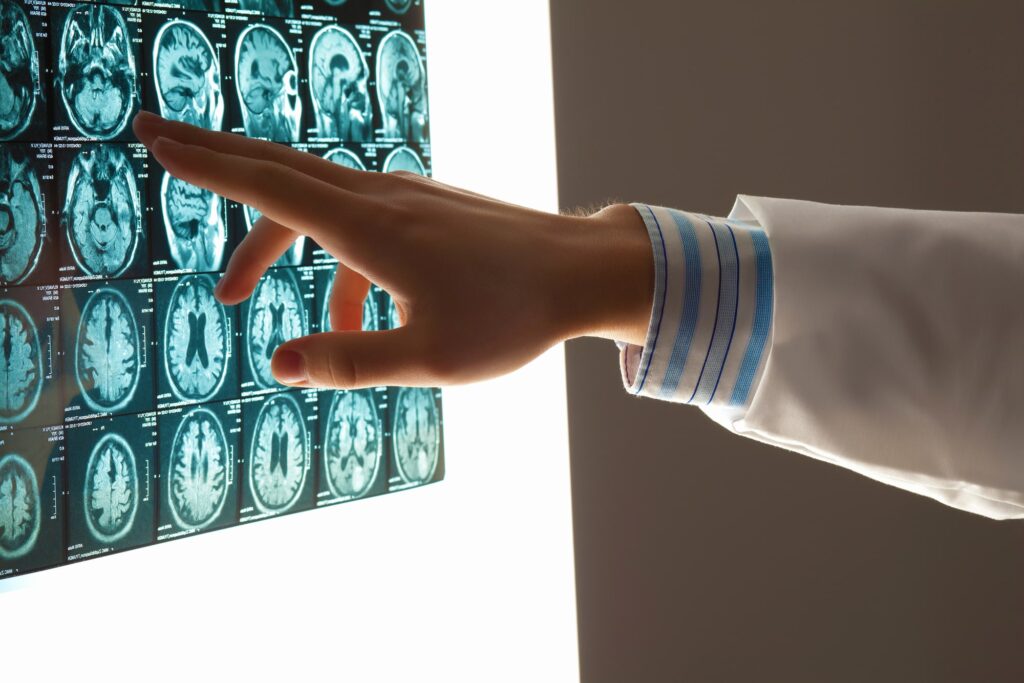
What To Do Immediately After A Traumatic Brain Injury
According to our Scottsdale, AZ traumatic brain injury lawyer, when a traumatic brain injury (TBI) occurs, fast and deliberate action can make a difference in recovery and legal outcomes. Whether the injury happens at work, in a vehicle collision, or due to a fall, what happens in the hours and days afterward matters. Below, we’ve outlined essential steps that can help protect both health and future claims.
Seek Medical Attention Without Delay
The priority is to get a medical evaluation, even if symptoms appear mild. TBIs can worsen quickly or hide behind delayed symptoms. Medical imaging and neurological exams help assess the injury and establish a critical medical record. Emergency care, urgent care, or a visit to a primary physician should happen as soon as possible. Documentation from this initial visit will serve as a key point of reference if legal action becomes necessary.
Follow All Treatment Instructions Carefully
Once a care plan is provided, it’s important to stick to it. Attend follow-up appointments, participate in therapy if required, and take prescribed medication. If referrals to specialists are given, schedule those visits promptly. Failing to follow the treatment path may create gaps that insurance providers or defense attorneys could use to downplay the seriousness of the injury.
Document Everything From Day One
Start a personal injury journal to track symptoms, pain levels, memory issues, and changes in behavior or mood. Save all discharge papers, appointment records, diagnostic results, and receipts related to out-of-pocket costs. Take photos if there are any visible signs of trauma. The more thorough the documentation, the stronger the foundation for building a case later.
Avoid Statements That Could Be Misinterpreted
It’s common for insurance companies or employers to reach out after an incident. Be cautious with what is shared verbally or in writing. Casual phrases like “I feel fine” can be used out of context. Decline to give recorded statements without having legal support. It’s best to politely refer these inquiries to our Scottsdale traumatic brain injury lawyer.
Notify Relevant Parties About The Incident
If the injury occurred on someone else’s property or at work, submit an incident report. If a car accident was involved, file a police report. In any of these situations, accurate and prompt reporting can be used to demonstrate a timeline and help establish who may be liable. Be honest and concise without speculating or assigning blame.
Limit Activity That Could Worsen The Injury
Mental and physical rest may be necessary to prevent further harm. This could include time away from work, limiting screen time, or avoiding physically demanding tasks. Following medical advice on activity restrictions is not only important for recovery but also shows that proper care was taken after the incident.
Speak With A Personal Injury Attorney Early
Legal guidance can help protect rights, especially when the injury was caused by another party’s actions or failure to act. With over twenty-five years of experience, our qualified Scottsdale traumatic brain injury lawyer can handle communications, review records, and explain options for pursuing a claim. At Yearin Law Office, we have seen how early support can shape the direction of a traumatic brain injury case and help secure the compensation victims deserve. If you or a loved one has recently suffered a brain injury, don’t wait to take the right steps. Acting quickly with both medical care and legal planning can make a lasting difference in recovery and financial stability. Contact us today for a free consultation, and we will take that next step together.
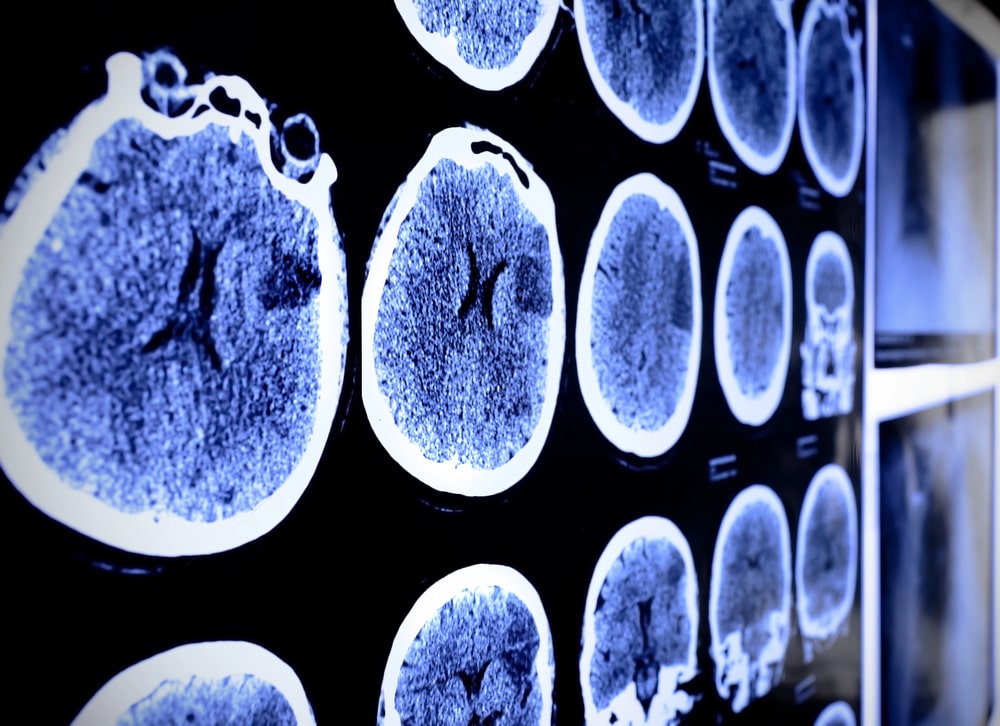
Traumatic Brain Injury FAQs
When someone suffers a traumatic brain injury, the impact often extends far beyond the initial event. These injuries can affect memory, personality, coordination, and the ability to work or interact normally with others. If someone else’s negligence caused the injury, whether through a car crash, a fall, or a workplace accident, then pursuing a legal claim may help provide financial relief during recovery. Below, our Scottsdale AZ, traumatic brain injury lawyer addresses some of the most frequently asked questions about pursuing legal action following this type of injury.
How Do I Know If I Can File A Claim After A Head Injury?
If you or a loved one suffered a brain injury due to another person or company’s actions or inaction, you may be able to pursue compensation. This could include cases involving car accidents, falls on unsafe property, workplace accidents, or violent assaults. We typically look for a clear connection between someone’s careless behavior and the injury that followed. According to our Scottsdale traumatic brain injury lawyer, a successful case often depends on proving both the cause and the extent of the injury using medical records, witness accounts, and expert evaluations.
What Kind Of Compensation Can Someone With A Brain Injury Receive?
Compensation depends on how the injury has affected daily life, employment, medical needs, and long-term recovery. Many victims may recover damages for current and future medical expenses, lost income, reduced ability to earn wages, and pain and suffering. In more severe cases, compensation may also cover the cost of in-home care, therapy, or accommodations for permanent disability. Every case is different, so our legal professionals take the time to assess how the injury has changed your life before pursuing any legal path forward.
How Long Does It Take To Resolve A Brain Injury Claim?
The timeline depends on the circumstances. Some cases settle within a few months if the facts are clear and both parties agree on compensation. Others may take over a year, especially when insurance companies dispute the seriousness of the injury or the cause of the accident. We work to move cases forward without unnecessary delay while also making sure we don’t settle too quickly, especially if the long-term effects of the injury are still unfolding. Taking the right amount of time often helps victims recover the full compensation they deserve.
What Happens If The Injury Wasn’t Diagnosed Right Away?
Delayed diagnoses are common with brain injuries, especially in mild or moderate cases. Symptoms like memory problems, mood swings, or trouble concentrating may not show up immediately. If you later realize that your issues trace back to an earlier incident, you can still pursue a claim, though it’s important to act quickly. Medical documentation linking the injury to the original event will be essential. In these cases, the timeline to file may start from the moment the injury was discovered rather than the day of the accident.
Can Family Members File A Claim On Behalf Of A Loved One?
Yes. If the injured person is unable to make legal decisions, whether due to unconsciousness, cognitive decline, or being a minor, a family member or legal guardian can often step in and act on their behalf. Courts generally allow this when it’s in the injured person’s best interest. For over twenty-five years, our team has worked with many families who took on this role during difficult seasons, helping them understand what steps to take to protect their loved one’s legal and financial future.
At Yearin Law Office, we work closely with victims and families to help them move forward after serious injuries. If someone else’s actions led to a traumatic brain injury, we’re ready to walk with you every step of the way. Reach out to our award-winning Scottsdale traumatic brain injury lawyer to learn how we can help you seek the support and compensation your situation deserves.
Traumatic Brain Injury Statistics in Scottsdale
 Brain injuries are undercounted almost everywhere. Federal figures track people admitted to a hospital or a morgue, which leaves out everyone treated in an emergency room and released, everyone who saw a primary care doctor a week later, and everyone who never sought care at all.
- CDC brain injury data recorded 214,110 TBI-related hospitalizations in 2020 and 68,663 TBI-related deaths in 2023, which works out to more than 586 hospitalizations every day.
- Adults 75 and older account for roughly 32% of those hospitalizations and 28% of the deaths, most of them from falls rather than crashes.
- Men are hospitalized at nearly double the rate of women and die at close to triple the rate, a gap the data has held for years.
- Scottsdale recorded 4,219 traffic collisions in 2024, with 2,113 people injured, according to ADOT crash records.
- Maricopa County absorbed 72.74% of every collision reported in Arizona that year.
NINDS research documents lasting cognitive and emotional effects after moderate and severe injuries, and links repeated head impacts to progressive conditions that surface years later. Our Scottsdale traumatic brain injury lawyers build claims around what the treating physicians actually find, not around what a statistical category suggests.
Types of Evidence Used in Traumatic Brain Injury Cases
A broken bone proves itself while a brain injury has to be proven, piece by piece, and the proof usually comes from people and records rather than a single image. The evidence our Scottsdale traumatic brain injury attorneys rely on most often includes:
- Emergency and prehospital records. Paramedic notes and triage documentation often capture the earliest signs: confusion at the scene, a period of lost consciousness, repeated questions. Those observations carry weight precisely because nobody was thinking about a lawsuit when they were written.
- Imaging, and the limits of imaging. CT and MRI results matter, but a clean scan does not rule out injury. The CT performed in an emergency room is looking for bleeding and swelling serious enough to require surgery that night, which is a different question from whether someone sustained lasting damage. Advanced imaging is sometimes used later to show injury that standard studies miss.
- Neuropsychological testing. A battery of standardized tests measures memory, processing speed, attention, and executive function against what someone with the client’s age and education should score. This is frequently the backbone of the case.
- Treating physician opinions. Neurologists, physiatrists, and neuropsychologists who actually managed the care carry more credibility than a consultant retained for litigation. They also know the client, which matters when the question is whether a symptom is genuine or a deficit is permanent. The defense will hire its own physician, and that doctor will have met the client once, for a few hours, on a day the client knew was being scored.
- Baseline records. School transcripts, military evaluations, performance reviews, and prior physicals establish who the person was before. Without a baseline, a defense argument that nothing changed is hard to answer.
- Employment and wage documentation. Attendance records, disciplinary notes that appeared only after the injury, and a change in duties tell a story that a pay stub alone does not.
- Testimony from people who knew the client. A spouse may notice a shorter temper, a supervisor may notice missed deadlines, and a friend may notice the client pulling away from activities they used to organize. Juries understand this evidence better than they understand a percentile on a test score, and it is often what turns an abstract diagnosis into something a stranger can picture.
- Scene and mechanism evidence. Vehicle damage, helmet damage, the height of a fall, and the surface someone landed on all help show how much force the head absorbed. This is how our Scottsdale traumatic brain injury lawyer establishes the forces involved, and it is also the evidence most likely to disappear. Physical proof has to be secured before a vehicle is repaired or a property is altered.
- The client’s own record of symptoms. A simple daily log of headaches, sleep problems, and difficult moments is more persuasive than a recollection given eighteen months later.
- Consistent medical follow-through. Gaps in treatment get characterized as recovery. Medical documentation that runs continuously from the injury forward closes that argument off.
Scottsdale Traumatic Brain Injury Lawyer FAQs
What is the difference between a concussion and a traumatic brain injury?
A concussion is a traumatic brain injury, and it sits at the mild end of a clinical scale that describes severity at the moment of injury, not how someone feels months later. Concussion claims can involve lasting symptoms, and a mild traumatic brain injury is still a real injury with real consequences.
What does a Scottsdale traumatic brain injury lawyer cost?
Nothing upfront. Our Scottsdale traumatic brain injury lawyer works on a contingency fee, meaning the fee comes out of a recovery and there is no fee if there is no recovery. Investigation costs are advanced by our firm, not billed to clients while a case is pending.
Do I have a case if my scans came back normal?
Possibly. Standard CT imaging is designed to find bleeding and swelling, not the diffuse damage that produces most lasting symptoms. Neuropsychological testing and treating physician opinions often carry a claim where imaging alone would not, and a normal scan is a starting point for the investigation rather than the end of it.
What if I had a head injury before this one?
Prior injuries complicate a claim without ending it. Arizona law addresses aggravation of an existing condition, and pre-existing conditions are something we address directly rather than hope the insurer overlooks.
Who pays my medical bills while the case is pending?
Health insurance, MedPay coverage, or in some cases a provider willing to treat on a lien. Each option affects the net recovery differently, so the choice deserves a conversation early rather than after the bills arrive.
What if the injury happened at work?
A workers’ compensation claim may cover treatment and wage loss, and a separate claim may exist against a party other than the employer. Construction site injuries frequently involve contractors and equipment suppliers who are not the injured worker’s employer.
What if I was hurt on someone else’s property?
Property owners owe a duty of care to lawful visitors. Head injuries from slip and fall accidents turn on whether the owner knew about the hazard, and incident reports and video are often gone within a month.
Will I have to talk publicly about how I have changed?
At some point, probably. Depositions and trial testimony ask exactly that. Our Scottsdale traumatic brain injury lawyers prepare clients and family members carefully, and we do not put anyone in that position without knowing what will be asked.
Does not wearing a helmet or seat belt hurt my claim?
It can reduce a recovery under Arizona’s pure comparative fault rule, but it does not bar one. Insurers raise the argument early and often overstate how much it should matter, particularly when the other driver’s conduct caused the collision in the first place.
What if the at-fault driver carried minimum coverage?
Then underinsured motorist coverage on your own policy usually becomes the real source of recovery. A serious brain injury exhausts a minimum policy almost immediately, which is why we identify every available layer at the start.
Important Resources for Scottsdale, AZ Traumatic Brain Injury Cases
What Are Important Arizona Legal Resources for Traumatic Brain Injury Cases?
Arizona publishes its statutes and court self-help materials free of charge, and the sources below are where the rules that govern injury claims actually live. None of them substitute for advice about a specific case with our Scottsdale traumatic brain injury lawyer.
- Arizona Statutes Title 12 contains the civil provisions on limitations of actions, comparative fault, and damages.
- A.R.S. § 12-542 sets the two-year deadline for filing most personal injury actions.
- A.R.S. § 12-2505 states Arizona’s comparative negligence rule and how fault reduces a recovery.
- The Arizona Self-Service Center offers plain-language legal information and court forms for the public.
- The Law Library Resource Center provides research guidance at four Maricopa County locations.
What Are Important Local Resources for Scottsdale Traumatic Brain Injury Cases?
Scottsdale families dealing with a head injury often need medical, records, and support services at once.
- HonorHealth Scottsdale Osborn Medical Center (480-882-4000). Verified Level I trauma center at 7400 E. Osborn Road.
- Scottsdale Police Records (480-312-1999). Handles collision and incident report requests.
- Brain Injury Alliance of Arizona (888-500-9165). Statewide helpline offering resource referrals and survivor and caregiver support groups.
- Arizona designated trauma centers (602-542-1000). State health department list of verified trauma facilities by level and city.
Yearin Law Office provides this list for convenience. We are not affiliated with these organizations and do not endorse them.
About Yearin Law Office
Our founder has been admitted to the State Bar of Arizona and the U.S. District Court for the District of Arizona since 1991, and he holds memberships in the Scottsdale Bar Association and the Arizona-Mexico Commission alongside his work with state and county bar organizations. The firm has recovered $7,500,000 in a single auto accident claim, and our firm’s recognition comes from work done for injured people rather than institutional clients. Clients throughout the city work with the team at our Scottsdale office, where every case is handled directly by attorneys who practice injury law and nothing else.
What Our Clients Say
★★★★★
“Don is absolutely amazing! He works hard for his clients and did the most to make sure that I was referred to the best medical care and was recovering nicely and received what I deserved for my pain and suffering. His staff, is friendly and very professional and make it a point to know each of their clients. They communicate regularly and really show how hard they work and how much they care.”
- Alexandra Darbe
Read more reviews on our Google Business Profile.
Additional Resources for Scottsdale Traumatic Brain Injury Cases
- Traumatic Brain Injury Claims Explained
- Common Causes of Brain Injury
- When You May Sue Because of a Brain Injury
- Car Accidents and Concussions
- How Personal Injury Compensation Is Calculated
Contact Yearin Law Office
A head injury changes what a person can do, and the people closest to them usually notice it first. Contact us to speak with our Scottsdale traumatic brain injury attorney about what happened. There is no fee unless we recover for you, and the consultation costs nothing. We will look at the medical records you have, explain what a claim involves, and give you a straight answer. New inquiries are reviewed during regular business hours.